TeenTix Logo
Login
Sign Up

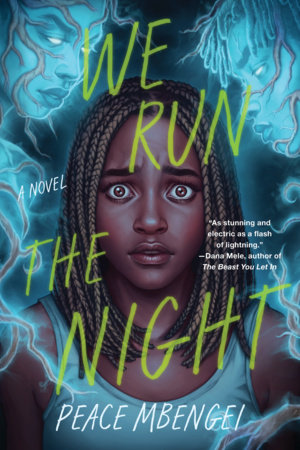
"We Run the Night" Could Have Run Further

A book review of We Run the Night by Peace Mbengei

Written by TeenTix Newsroom Writer ADRIEN HONIG

9781641297509

Warning: This review contains heavy spoilers.

You look outside your window at night to see a pair of eyes. Almost-human eyes that shouldn’t be there. It shrieks, guaranteeing a sleepless night, and disappears. Night runners are supernatural beings from the folklore of Eastern Africa that are known to terrify their victims but ultimately do no damage. I found this book to be similar to its subject matter: it grabs you, but leaves no marks. A complex and intriguing plot and premise, with both fully explored and brushed over themes, and shallow characters makes We Run the Night an interesting read, but not an impactful one.

Read More

Vermin in the Sky: "Mad Science" Meets Improv Show

Review of Mad Science at Bandit Theater

Written by TeenTix Newsroom Writer CHARLOTTE ORTEGA

Edited by Teen Editorial Staff Member KYLIE LIPPE

Screenshot 2026 06 24 at 5 23 03 PM

When you put an astrophysicist and an improv troupe-in-training in a room, what do you get? Stories about the Oregon Trail, talking pigeons, rocks that look like Dippin' Dots, and more incredible skits, all created on the spot from a high-quality presentation on the Icelandic genome and killer asteroids. Effortlessly highlighting the intersections between science and the performing arts, Bandit Theater welcomes individuals of all disciplines and tastes to come see a hilarious show performed by improv-ers both new and old.

The intimacy of the venue, Seattle Open Arts Place, transformed the performance space into a lecture hall; a projector hanging from the ceiling and approximately 80 filled seats felt like a preview of college life for me as an incoming STEM major. My giddiness walking into a room that felt both like a black-box theater and a laboratory was, I must say with full confidence, completely unmatched.

Read More

Spectrum’s "Insidious Trilogy" Confronts the Legacy of Jim Crow

Review of Insidious Trilogy at Spectrum Dance Theatre

Written by TeenTix Newsroom Writer STEPHEN ZHOU

Edited by Teen Editorial Staff Member THIEN-NHI NGUYEN

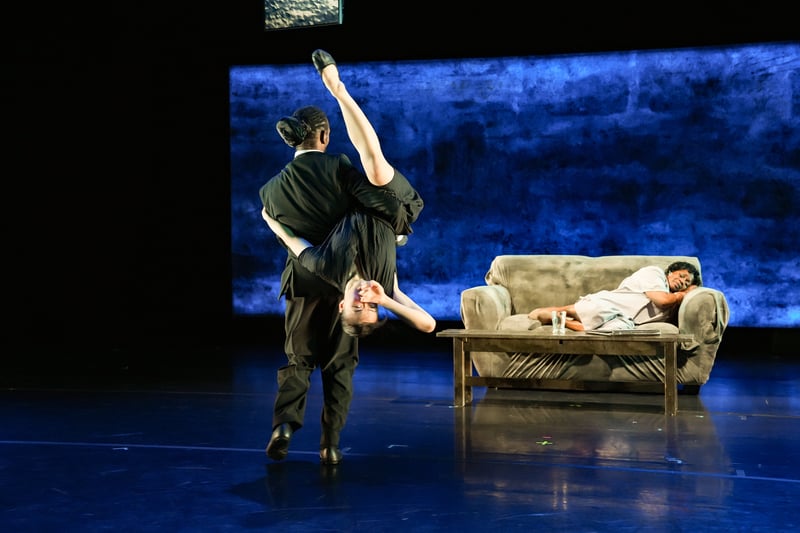
26 SDT GRIEF 064

Jim Crow is often seen as a distant evil completely removed from modern society. Many Americans know that the Civil Rights Act was passed in 1964. Fewer realize how close 1964 is to the present day – just over 60 years. The generations who lived through segregation are still alive today: baby boomers were born just before the era of segregation came to a close. And beyond Jim Crow, other forms of systemic racism, such as redlining and its lasting effects, persisted long after segregation ended. Donald Byrd’s dance performance, the Insidious Trilogy at the Spectrum Dance Theatre, confronts our nation’s legacy of racism by tracing its progression through history.  

The dance performance was broken into three acts: Strange Fruit, Targeted, and Grief. The acts differed in theme and style, but all shared a sorrowful mood, fitting the tragic events depicted. Insidious Trilogy at Spectrum Dance Theatre. Photo by Alabastro Photography.

Read More

Slicing into "Fat Ham"

Review of Fat Ham, a Digital Production by the Wilma Theater

Written by Anna H. during an Arts Criticism workshop at Evergreen High School

Maxresdefault

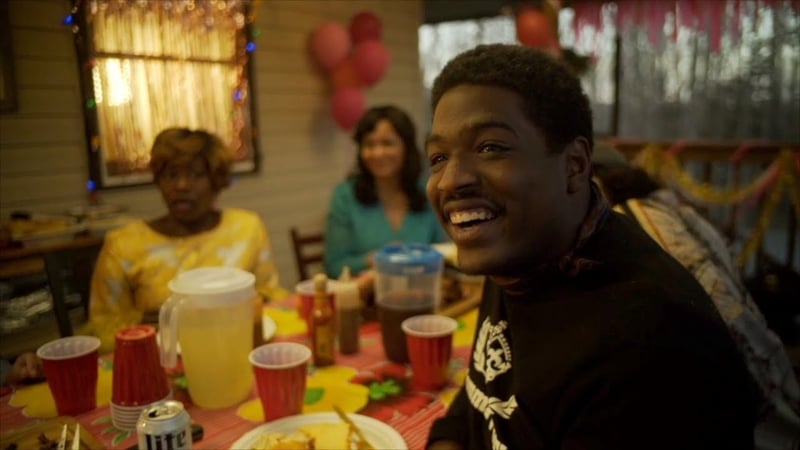
As you draw your knife towards the ham, you’ll not only find the oozing and fatty juice, but the intricate flavors that are a new take on politics, and breaking free from cycles.

The comedy packed play by James Ijames takes a spin on Shakespeare's tragic story, Hamlet. With chatter in the air and smell of grilled meat, we’re introduced to a modern day Black American family. We follow the family around as a spectator as the main character navigates through the death of his late Father. Fat Ham plays with the different stances of breaking stereotypes from intergenerational trauma and Black heritage.

Read More

What a Piece of Work is "Fat Ham"!

Review of Fat Ham, a Digital Production by the Wilma Theater

Written by Isabel F. during an Arts Criticism workshop at Evergreen High School

Maxresdefault

Fat Ham stands out from the traditional adaptations of one of Shakespeare’s most famous plays: Hamlet; its typical dark setting turned into a comedic play full of identity, acceptance, and finding yourself. This modern take on Hamlet is a breath of fresh air among adaptations that feel repetitive. 

Written by James Ijames and put on by Wilma Theater, Fat Ham retells the tragedy of Hamlet in the festive and sunlit backyard of a house in the rural South. The story follows Juicy, a queer Black man, who struggles with the death of his father, Pap, and the recent marriage between his mother, Tedra, and his uncle, Rev. When Juicy is outside setting up the barbecue that will celebrate their marriage, he is confronted by the ghost of his dead father. Pap reveals that Juicy’s uncle, Rev, was the one who killed him and tells Juicy to get revenge. From there, Juicy and other members of the family are not only forced to face the chaos at the barbecue, but also their own personal problems. Ijames’ Fat Ham masterfully portrays social issues within the modern age and resistance against cycles of trauma. 

Read More

"Fat Ham": Modern Mistake or Well-Regarded Tragedy?

Review of Fat Ham, a Digital Production by the Wilma Theater

Written by Rayann M. during an Arts Criticism workshop at Evergreen High School

Maxresdefault

If William Shakespeare woke up today and saw Hamlet turned into a chaotic family barbecue, he would probably throw himself right back into his grave. And that is exactly what Fat Ham, a bold modern adaptation of the Shakespearean tragedy does. With an all Black cast, the story focuses on Juicy, a young, queer, Black man dealing with identity issues inside a highly problematic family. But right from the start, the production avoids the tension of the situation. By forcing constant humor instead of actual feeling, the script downplays the family’s pain, treating a severe crisis like an unserious joke rather than a meaningful tragedy.

The main issue with Fat Ham is that it refuses to take itself seriously, trading deep tragedy for cheap comedy. The adaptation ruins any sense of dramatic weight right from the opening scene. Instead of the creepy, tense, ghost encounter in the original play, we get a crude scene where Tio (the character based on Horatio) is watching porn on his phone right when Juicy finds out his mom and uncle are getting married. Honestly, starting a tragedy with a scene like that just feels completely low effort. By throwing in casual vulgarity and constant jokes during moments that should be emotionally heavy, the play strips away the real grief of the story. It doesn't let the characters actually mourn, treating a serious family blood feud into a casual indifference that makes it hard to care about what happens next.

Read More

Was the 'Ham' well smoked?

Review of Fat Ham, a Digital Production by the Wilma Theater

Written by Francisco during an Arts Criticism workshop at Evergreen High School

Maxresdefault

To ham or not to ham? That is today's question for those interested in seeing the recent play adaptation of Shakespeare's Hamlet, Fat Ham’ Fat Ham transforms the original Shakespearean tragedy into a modern drama full of innovative uses of music, humor, and questioning on self identity. Set in the American South, we follow a family that struggles in choosing between tradition and a great change. The elders run a BBQ restaurant and the question is if the new generation will choose to continue or break the family business. This creative but imperfect story has some really good key aspects of it, like its music use or its humor, but their LGBT representation feels overcrowded and less impactful.

Fat Ham is a hilarious play by James Ijames in which Juicy, a queer Black man, gets visited by the ghost of his recently deceased father, Pap, who orders him to kill his brother, Rev. As the play progresses, Juicy navigates family expectations, grief, and questions his identity. Throughout the whole play he will discover new things, such as love, heartbreak and music?

Read More

The Ham

Review of Fat Ham, a Digital Production by the Wilma Theater

Written by Embry V. during an Arts Criticism workshop at Evergreen High School

Maxresdefault

A sunset looms over a Black household located in the middle of nowhere, constant bickering back and forth between elderly and the young runs on. All shot in long, impressive one takes, Fat Ham is a love letter to Shakespeare that provides plenty of representation for Black and queer communities that doesn’t take itself too seriously. It’s a really great and unique adaptation of Hamlet that I feel is worth checking out. So let’s dive into its strong points and weaknesses, shall we?

So what even is a Fat Ham!? Fat Ham is a critically acclaimed award winning stage play written by James Ijames that takes place at a modern southern barbecue. From the moment the film starts, I could tell that this wasn’t a typical reimagining of Shakespeare. Juicy (this play’s version of Hamlet), a young gay Black man is confronted by his recently deceased Pap (this play’s version of King Hamlet) in the backyard and he demands that Juicy should avenge his murder. The synopsis retains that Hamlet-iness for sure, but the scene is absolutely different. Juicy and Tio (Horatio) are dressed in very modern clothing. Sweatpants, camouflage hoodies, caps, sneakers, and long sleeve tees. Now, the reason the play is named Fat Ham? Because Juicy is “thicc.” Yeah, pretty interesting to say the least. The rest of the play isn’t worth describing, as it would take up too much text, so I’ll just skip to where the play succeeded and where it fell flat.

Read More

An Evening of Forced Interpretation

Review of Spring '26 at Whim W'him Contemporary Dance Center

Written by TeenTix Newsroom Writer REID MATHEWS

Edited by Teen Editorial Staff Member MARIELA VIDELA

Dark Echoes Come Shining 2

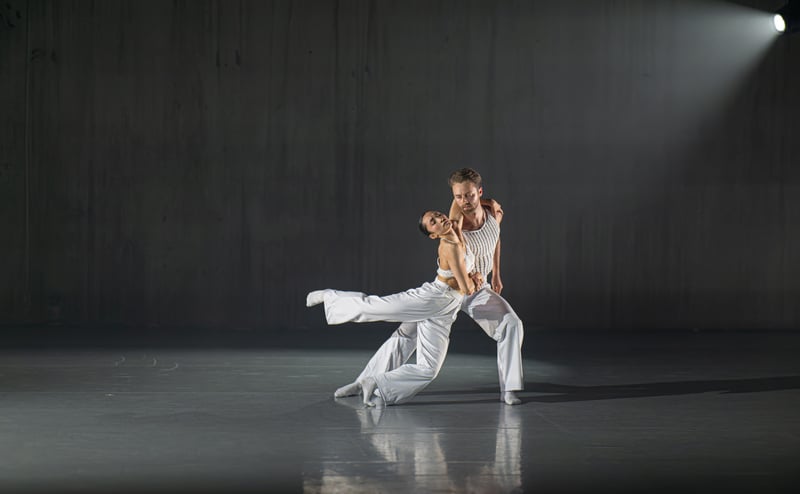
To view contemporary dance is to be exposed to a medium of utmost earnestness. Black Moon, one of three pieces in Whim W’him’s Spring ‘26 season, is described as follows: “Time moves like phases overhead—each connection ripening, dimming, and disappearing—while the body carries the fatigue of what remains unspoken.” Whim W’him has opened for their last show of the season. There are three dances choreographed by three individual artists, yet they flatten and morph together. None are particularly memorable for what they wanted to showcase: an unpretentious social commentary that defies and transcends the “rules” of art. Choreography: James Gregg - Photography: Jim Coleman - Whim W’Him dancers

Despite the verbose diction of their program descriptions, the dances offered a fraught and dystopian mood. The dancers were set to a worn concrete wall, their bodies adorned with cold neutrals. The first dance, James Gregg’s Static Bloom, opened with the performers standing center stage, arranged in a three-by-three grid. They were wearing cheetah print jorts and heavy trench coats (which dancer Stella Jacobs described as “badass”). Hyperpop music was playing and the dancers seemed to enter a tortured vogue. Around two-thirds through the performance, the dancers emerged still in their trenchcoats but with nearly nothing underneath. The story—supposed to be a form of divine perseverance—was now being maintained on the basis of sensuality. At the end, the dancers’ movements became more and more discouraged. Instead of ending with the same triumph they opened with, the confidence they possessed at the beginning of the show seemed to dwindle. They ended the performance sobbing.  

Read More

Inside the Red Glow of "Terra Solarium"

Review of Terra Solarium at METHOD Gallery

Written by TeenTix Newsroom Writer ELAINE ZHANG

Edited by Teen Editorial Staff Member THIEN-NHI NGUYEN

Screenshot 2026 06 11 203338

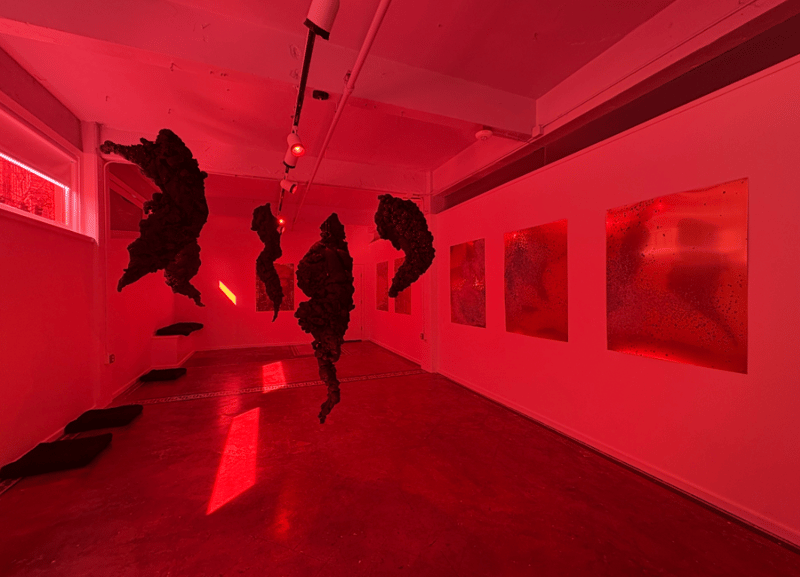
Stumbling into Terra Solarium at the METHOD Gallery feels less like entering an exhibit and more like stepping into a room inhaled in a single breath. As you round the corners into the space, crimson light spills across the wall and floor, immediately pulling you inward. The exhibit folds around you like a body cavity, and there is an immediate sense that you are no longer observing the work, but standing inside it.

A site-specific installation by the Bicoastal Collaborative Ocean + Lauren Ruiz, Terra Solarium is intended to reimagine the space for collective mourning and biological rebirth. Work like this feels especially relevant at a time when environmental uncertainty—from melting ice caps to heating oceans—continues to shape how we imagine the future. Originally on view from March 5th to the 25th, the installation briefly transformed the METHOD Gallery beyond the conventions of a traditional white-cube gallery space. 

Read More

Fauxnique: "How Do I Look?"

Review of Fauxnique: How Do I Look? at On the Boards

Written by TeenTix Newsroom Writer SOFIA ARMESTAR

Edited by Teen Editorial Staff Member CLARA THORSEN

26 05 06 Ot B Fauxnique 007 photographby Allina Yang

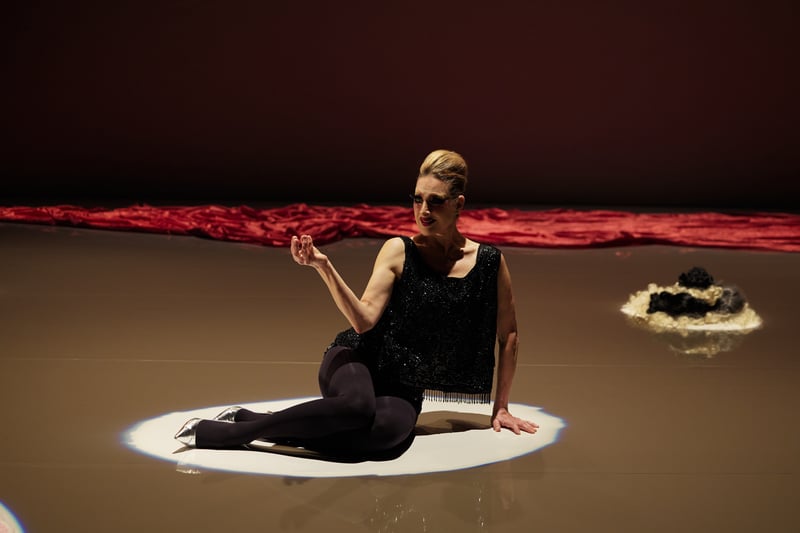
As a queen at her finest, Fauxnique represents everyone’s desire to be seen for who they wish to be. Performing at On the Boards, Monique Jenkinson’s alter ego in How Do I Look? simply wants to know how the world sees her as she explores different parts of herself. From beginning to end, she wears elaborate outfits that showcase aspects of her identity, including dresses, capes, heels, and more. Her talent is unmistakable as she draws from a very real human experience that everyone will have at least once in their lives. How Do I Look? is a drag show built on acceptance and humanity through Monique’s audience interaction, comedy, set, and talent. 

At the beginning of the show, Fauxnique sat frozen in place, frequently changing positions as more people found their seats. She presented herself to the world, as everyone does every day. It felt like a nod for how people frequently want to know how others see them, putting on different faces or constantly changing positions. For me, it was validating to see it manifest on a stage alongside my fellow community. Fauxnique in How Do I Look? at On the Boards. Photo by Allina Yang.

Read More

"Carmen": Featuring the Toxic Boyfriend

Review of Carmen at Seattle Opera

Written by TeenTix Newsroom Writer CARTER WONG

Edited by Teen Editorial Staff Member MILO MILLER

04302026 carmen night2 seattle opera sunnymartini 0962 M1 3922

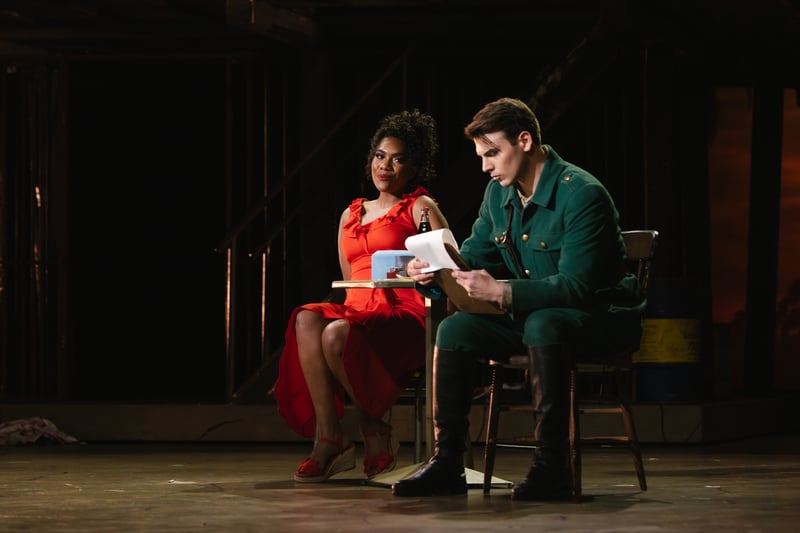
Seattle Opera’s Carmen presents a toxic situationship that didn’t happen on paper—it happened on stage, in French, and ended with a knife. Carmen is a story about love, freedom, and controlling others. The opera has music by Georges Bizet and a libretto by Henri Meilhac and Ludovic Halévy; Seattle Opera’s production is conducted by Ludovic Morlot and directed and choreographed by Paul Curran. The main characters’ dynamic is something we can all recognize: a person who wants freedom, and the person who calls that abandonment. 

Carmen (J’nai Bridges), a strong-willed woman who lives according to her whims and passions, attracts Don José (Ryan Capozzo), a soldier who gradually becomes obsessed with her. At first, he genuinely loves her, but as this epic story goes on, his feelings grow from love to controlling Carmen. 

Read More

Duty, Desire, and Family Dispute: "Walden" at ArtsWest

Review of Walden at ArtsWest

Written by TeenTix Newsroom Writer DASH MONTAGUE

Edited by Teen Editorial Staff Member MILO MILLER

PRESS WALDEN 064

How do we take care of our world if we know its future is sealed? ArtsWest’s timely and poignant production of Walden by Amy Berryman asks nuanced questions such as this within a relatable and smartly-crafted family dynamic.

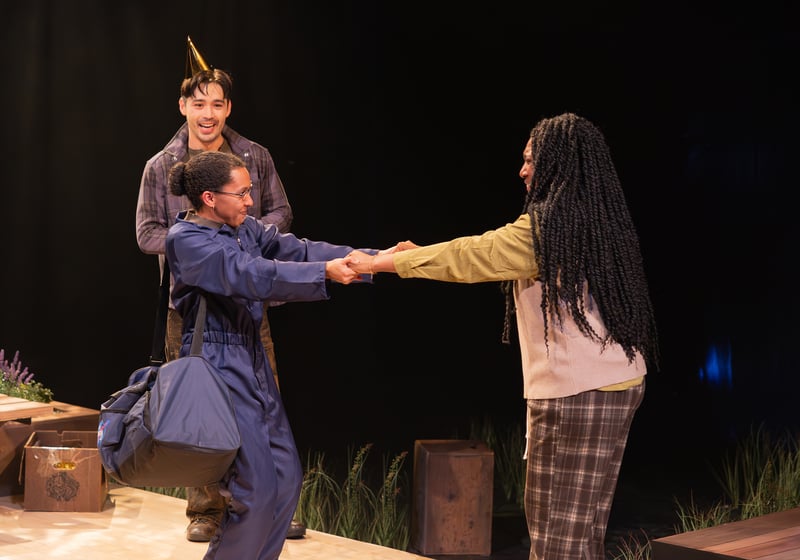
In an ecologically desperate future, Walden follows ex-scientist Stella (Porscha Shaw) and her crunchy fiancé, Bryan (Josh Kenji Langager), at their forested cabin, when Stella’s astronaut twin sister Cassie (Marena Kleinpeter) returns from a prominent space habitation mission. Old tensions flare up and spark between sisters, and both must decide how to reconcile the past and deal with the future. Relatable questions are asked within the story: can we love people with different political views? What is our duty to society? The play puts it forth to the audience to answer those questions. Walden achieves what most great plays do; it leaves you thinking and wanting more.Marena Kleinpeter and Porscha Shaw in Walden at ArtsWest. Photo by John McLellan.

Read More

Blast Off Into Space with Sun Ra and the SRJO

Review of The Music of Sun Ra at Seattle Repertory Jazz Orchestra

Written by TeenTix Newsroom Writer ALICE CHEN

Edited by Teen Editorial Staff Member THIEN-NHI NGUYEN

SRJO with Orrin Evans April 2026 Photo Jim Levitt 2

As a self-proclaimed newbie at jazz music, I have had little experience with seeing live jazz. But when I caught wind that the Seattle Repertory Jazz Orchestra (SRJO) was hosting a concert at the Illsley Ball Nordstrom Recital Hall in mid-April, I jumped at the chance to finally see live jazz for the first time—a change from my usual jazz Spotify playlists or classical music concerts. This concert, The Music of Sun Ra, featured both the music of Sun Ra and songs by other musicians like Orrin Evans and Trudy Pitts. 

Raised in Birmingham, Sun Ra was a one-of-a-kind jazz composer. Famous for his distinctive and elaborate wardrobe, Sun Ra meticulously designed his costumes to reflect the interstellar theme of his music while simultaneously incorporating African and Egyptian motifs in his draping robes and space helmets. His music reflects both interspacial themes and “free jazz”—a jazz style that encourages improvisation instead of strictly playing written notes. 

Read More

The Wing Luke Museum: A Unique View into the Asian Diaspora

Review of Lost and Found: Searching for Home at the Wing Luke Museum

Written by TeenTix Newsroom Writer STEPHEN ZHOU

Edited by Teen Editorial Staff Member MARIELA VIDELA

Untitled

I couldn’t help but notice the signs in Seattle’s Chinatown-International District, which included Chinese translations beside the English street names. The purpose of my visit was to see the Wing Luke Museum—which focuses on the art of the pan-Asian diaspora—and its exhibit “Lost & Found: Searching For Home.” To be completely honest, I was skeptical of the purpose of the museum going in. Why does pan-Asian diaspora art need its own museum? By the time I left, my opinion had completely changed.

The Wing Luke Museum was less conspicuous than I expected. I even walked past it a few times. It was hard to believe such a small place could contain three floors of art and history. I found “Lost & Found” on the first floor, near a sign explaining that the exhibit focuses on the idea of home among the AANHPI (Asian American, Native Hawaiian, and Pacific Islander) community. Entering the exhibit, I immediately noticed a digital screen that displayed the story of Asian immigrants’ lives. This was my first hint that the mediums shown in the exhibit would be unusual. I couldn’t help but notice the Asian diversity on display. The screen not only showed ethnic diversity, but also diversity of experience and background. There were refugees and adoptees, men and women, recent immigrants, and those who had lived in America nearly all their lives. The depth of the museum’s pan-Asian focus began to hit me. 

Read More

"The 39 Steps": Where Minimalism, Secret Agents, and Comedy Intersect

Review of The 39 Steps at Centerstage Theatre

Written by TeenTix Newsroom Writer VIHAAN MAMTANI

Edited by Teen Editorial Staff Members MARIELA VIDELA and THIEN-NHI NGUYEN

IMG 7823

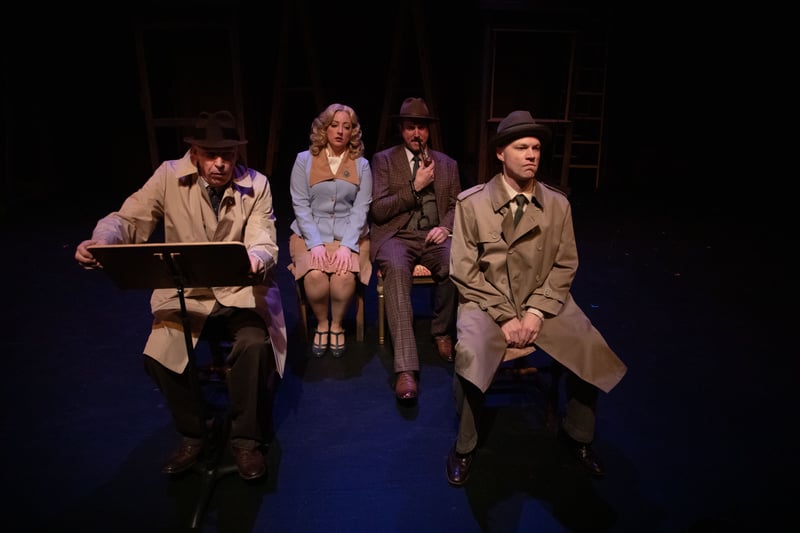
A hidden gem lies at the heart of Centerstage Theatre. Disguised as a patron (wearing a wig if you wish), come with your ticket in hand and bring your best poker face!

The 39 Steps is a slapstick comedy take on Hitchcock’s classic spy thriller. Filled with thick accents, a sprinkle of murder, and well-timed suspense, even the most hardened stoics will be forced to break. Played by a cast of four, the 150 characters will make you laugh, cry (from the hysterics), and then laugh once more for good measure. This rendition by Centerstage embraces a bare-bones set to cultivate plenty of hilarious moments, underscored by a sense of hospitality that makes every event-goer feel seen. 

Read More

"the aves": A Heartfelt yet Comedic Take on the Human Experience

Review of the aves at Union Arts Center

Written by TeenTix Newsroom Writer ANJA HUTTO

Edited by Teen Editorial Staff Member KYLIE LIPPE

The aves Photo Credit Giao Nguyen FULL 3

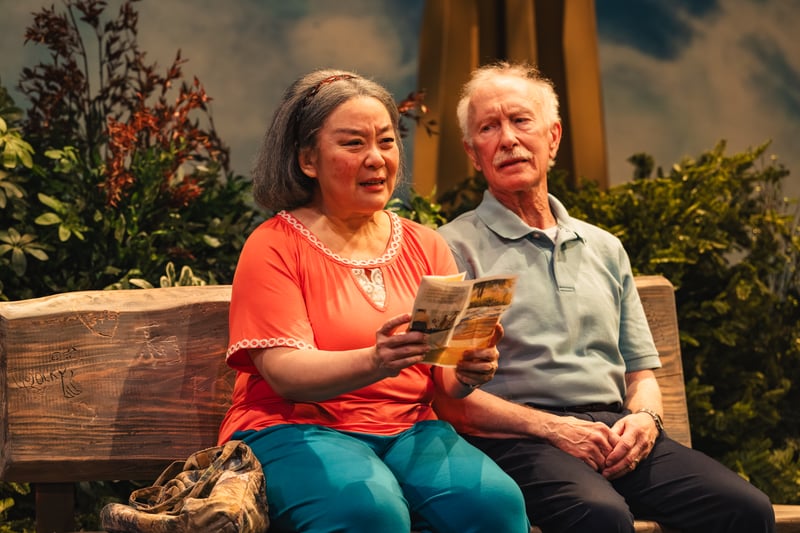
It is a powerful thing when a production can elicit frequent bouts of laughter, moments of quiet introspection, and tearful post-show hugs with family and friends, all within a 90-minute runtime. the aves accomplishes just this, transforming what appears to be a simple story of an elderly couple on a park bench observing the world around them into a wonderfully complex tale of aging, memory, sacrifice, and relationships. 

It is challenging to explain the magic of the aves without spoiling “the exchange”, that is so central to the plot, as it is not revealed explicitly until the end of the show. The plot features sci-fi-esque themes, which positively contradicted the assumption I had going into the show, that it would be a typical and realistic tale. the aves skillfully shows, rather than tells, the audience what is happening, which creates an engaging experience as the audience pieces together the puzzle of the plot for themselves. As these pieces finally fall into place and details are revealed, several gasps can be heard from the audience. Varinique "V" Davis and Jerik Fernandez in the aves at Union Arts Center. Photo by Giao Nguyen.

Read More

PNB's "Giselle" casts irresistible spell of love and dance for the ages

Review of Giselle at Pacific Northwest Ballet

Written by Teen Editorial Staff Member MARIELA VIDELA

Edited by Press Corps Mentor JENN SMITH

Giselle Generosa Batista Feb22 LT 008 web

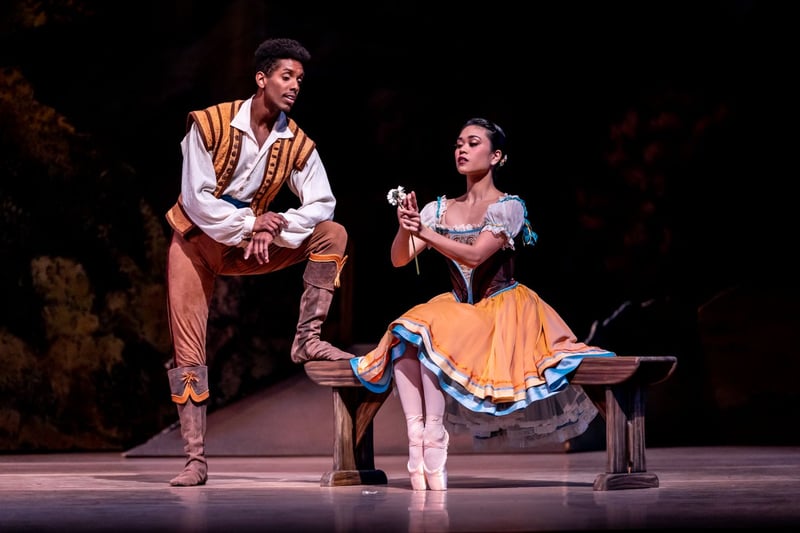
For a ballet built on the dichotomy between two worlds—an idyllic sunlit village by day and eerie moonlit forest by night—Pacific Northwest Ballet’s Giselle is a production of mesmerizing harmony. Despite its 19th-century roots, the Romantic ballet still captivates with its themes of love and heartbreak, brought to a modern audience with haunting elegance under Peter Boal’s artistic direction.

It had been years since I’d seen Giselle when I took my seat in McCaw Hall, but by the time I left, it had risen to the top of my favorites ballets. Unfolding against Jérôme Kaplan’s whimsical sets and French composer Adolphe Adam’s score, the ballet follows Giselle, a charming peasant girl who unwittingly falls in love with a disguised duke, Albert. When her jealous suitor, Hilarion, reveals Albert’s true identity, Giselle dies from heartbreak, only to rise at night as a Wili. Led by their merciless queen, Myrtha, the Wilis are the ghosts of jilted brides who beguile unsuspecting men into dancing to their deaths. Yet Giselle’s love for Albert persists—a love story so compelling that the ballet, too, has persisted for over 180 years.

Read More

Not Quite "The Best Damn Thing"

Review of The Best Damn Thing at Dacha Theatre

Written by TeenTix Newsroom Writer JOSEPH HWANG

Edited by Teen Editorial Staff Member CLARA THORSEN

Dacha 0426 9573

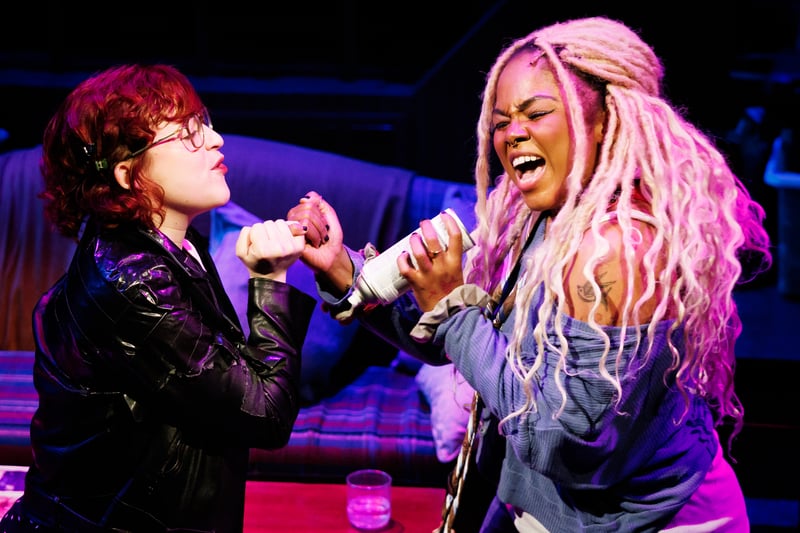
In 2002, Avril Lavigne spoke her truth: being ordinary is as good as being dead. The Best Damn Thing runs with that message, making its West Coast premiere at 12th Ave Arts just last month. Directed by Kate Drummond, the show follows Missouri teenager Ellie, who has written what she believes is the greatest Avril Lavigne jukebox musical ever conceived. But, she needs her former best friend Rachel to bring it to their school stage. The two-person cast and visually inventive set, designed by Jeremy Hollis, bring an electrifying energy that hooks the audience immediately. From the opening moment, the audience is drawn into Ellie’s room, a cluttered, almost overwhelming space where each object offers a glimpse into her life. However, in the show's attempt to be hyper-meta and its density of ideas, it ends up resembling its protagonist: overwhelmed by ideas, and ultimately unclear.

Before the show even begins, a friendly Dacha staff member hands out a set-themed I-Spy sheet, making it clear that The Best Damn Thing wants the audience to feel involved. The theater itself is tiny, with bleacher-style seating that puts you close enough to feel the anxiety radiating off Ellie. From the moment she steps onstage, Shannon Johnson brings a nervous, rapid-fire energy that captures Ellie’s desperate hopefulness. Moxxy Rogers plays Rachel with sharp contrast: dismissive and poised. When the two explode at each other in an emotional confrontation, both actors tap into something genuine. However, the script doesn’t measure up to the moment. The dialogue leans so heavily on profanity that the scene loses its edge; by mistaking noise for intensity, the cursing fails to convey the rawness of teenage anger.Moxxy Rogers and Shannon Johnson in Dacha Theatre's The Best Damn Thing. Photo by Brett Love.

Read More

From Comic Strip to Concert Hall: Why Charlie Brown Still Resonates 75 Years Later

Review of Peanuts 75th Anniversary: A Vince Guaraldi Symphonic Concert at Seattle Symphony

Written by Teen Editorial Staff Member THIEN-NHI NGUYEN

Edited by Press Corps Mentor HENRY BEHRENS

2526 Concerts POPS03 Peanuts HOLT 013

Despite being created over 75 years ago, Charlie Brown continues to hold cultural and emotional significance today. I remember watching “Peanuts” specials back in elementary school. Whether it was a Thanksgiving party or a Christmas potluck, a classic episode was almost always playing in the background. The Peanuts 75th Anniversary Symphonic Concert at Benaroya Hall, performed by the Seattle Symphony, beautifully encapsulated the nostalgia of childhood that is defined by carefree innocence, quiet loneliness, and a sense of awkwardness.

Right from the start, the atmosphere inside Benaroya Hall reflected that same warmth and joy. Audience members wore Charlie Brown merchandise: from Uniqlo graphic tees featuring Charlie Brown’s zigzag shirt to Snoopy hats, oversized hoodies, and even carrying plush toys tucked under their arms. At the concession stand, the Seattle Symphony offered Snoopy-decorated sugar cookies along with a variety of other snacks and beverages. Although I did not purchase them, seeing the three-pack of sugar cookies decorated with Snoopy and Woodstock did add a playful charm to the space. It felt like stepping into a shared childhood memory. Once the music started, that feeling only deepened. The concert started with “Peanuts Overture." The piano’s light, flowing lines contrasted with the steady energy of the rhythm section, creating a groove that made it difficult to stay still. The addition of the marimba and bells added a layer of unexpected depth that tied the symphony’s sound together to make it nostalgic and playful at times.Peanuts 75th Anniversary. Photo credit: James Holt/Seattle Symphony.

Read More